
Bing Lion Quiz: 15 Questions to Test Your Big-Cat Knowledge
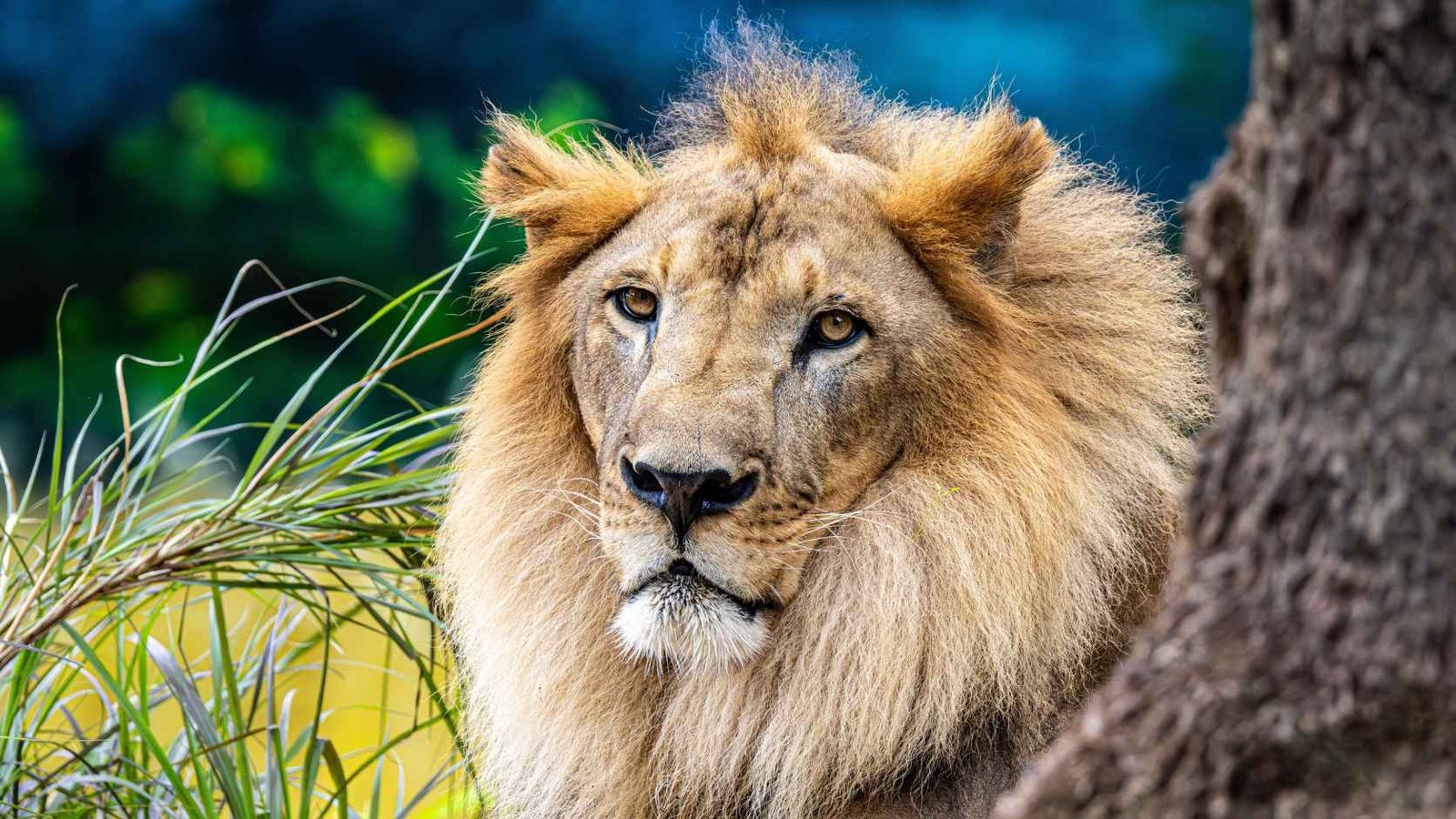
Few animals carry as much symbolism as the lion. It shows up on coats of arms, national emblems and sports crests, yet the real animal is far more interesting than the legend: it naps most of the day, leaves the hunting mostly to the females, and announces itself with a roar that can carry for kilometres across open grassland. This Bing lion quiz puts all of that to the test.
You’ll face 15 multiple-choice questions on lion biology, behaviour, history and conservation, from the basics of pride life to the results of India’s 2025 Asiatic lion census. Every answer comes with a short field note that explains the fact, so even a wrong guess teaches you something. When you’re done, scroll down for a deeper look at the science behind each question.
Why Lions Make Such a Good Quiz Topic
Lions sit at a rare crossroads of zoology, geography and culture. A single question about them can touch on animal behaviour, a protected forest in India, an ancient stone sculpture or a modern conservation report. That range is what makes them ideal for a general-knowledge quiz: casual players recognise the subject instantly, while the details still trip up people who think they know big cats well.
They also matter. The lion is listed as Vulnerable on the IUCN Red List, and its range has shrunk dramatically over the past century. Knowing a few accurate facts, rather than the myths repeated in cartoons, is a small but genuine way to appreciate what conservationists are working to protect.
If you enjoy single-topic quizzes like this one, you’ll find a new subject every day in our set of bing quiz questions and answers, built on the same idea of quick questions backed by clear explanations.
How to Play and How Scoring Works
Pick one answer per question. Your choice locks in straight away, the correct option lights up, and a field note explains why. There’s no timer, so take your time and read the notes; that’s where most of the learning happens.
- 🦁 Each correct answer earns 100 Roar Points.
- 🔥 Get three or more right in a row and every extra correct answer adds a 50-point Pride Bonus.
- 🌿 A wrong answer resets your streak but never costs you points.
- 👑 Your rank depends on how many you get right: Curious Cub, Young Nomad, Skilled Huntress, Pride Leader or King of the Savanna.
The maximum is 2,150 Roar Points, and only a flawless 15 out of 15 can reach it. Hit that and the savanna throws you a party.
The Bing Lion Quiz
After the Quiz: Keep the Streak Going
Finished the trail? If you’d like to swap the savanna for the headlines, try today’s bing news quiz with answers, which checks how closely you’ve followed the latest U.S. and world news. Then come back and read on for the full story behind each lion fact.
The Real Facts Behind the Questions
Pride life: who does what
Lions are the most social members of the cat family. A pride is built around a core of related females (mothers, daughters, sisters and aunts) who often stay together for life, along with their cubs and a small coalition of resident males. The lionesses do most of the hunting, often working as a team to surround or ambush prey such as zebra, wildebeest and buffalo.
Males defend the territory, patrol its edges and use their roar as a long-range warning to rivals. Young males don’t get to stay forever: at around two to four years old they are usually pushed out and become nomads until they are strong enough to win a pride of their own.
The famous mane
The mane is more than decoration. In a well-known study published in Science in 2002, researchers Peyton West and Craig Packer found that darker manes in Serengeti lions were linked to higher testosterone and better nutrition. Females tended to prefer darker-maned males, while rival males were more cautious about challenging them. The trade-off is heat: a thick, dark mane makes it harder for a lion to stay cool.
Built for bursts, not marathons
A lion can reach roughly 80 km/h (about 50 mph), but only in a short sprint. Lacking the stamina for long chases, it relies on stalking as close as possible before it charges. That high-cost hunting style also explains the long naps: lions can rest for up to about 20 hours a day, saving their energy for the hunt, which usually happens in the cooler hours of dusk and night.
Cubs, spots and growing up
Lion cubs are born with spotted coats, a pattern that helps hide them in long grass while they are small and vulnerable. The spots usually fade as they mature, although faint markings can linger on the legs and belly of some adults.
Asiatic lions and India
Lions once ranged across much of Africa, through the Middle East and into India, and they disappeared from Europe around 2,000 years ago. Today the only wild Asiatic lions live in the Gir landscape of Gujarat, India. The Gujarat Forest Department’s 16th Asiatic Lion Census, carried out in May 2025, estimated 891 lions, up from 674 in 2020, an increase of about 32 percent. The count covered roughly 35,000 square kilometres across 11 districts, and a growing share of the lions now live outside the boundaries of Gir National Park.
India’s bond with the lion goes back much further. The national emblem, adopted on 26 January 1950, is based on the Lion Capital of Ashoka from Sarnath, a polished sandstone sculpture of four Asiatic lions standing back to back, carved in the third century BCE.
A Vulnerable species
Across Africa, the picture is less encouraging. The current IUCN Red List assessment classifies the lion as Vulnerable, based on an estimated decline of around 36 percent in its range over roughly three generations, and it drew on an estimate of about 23,000 adult and subadult lions in Africa. In West Africa, lions are regarded as critically endangered at the regional level. The main pressures are habitat loss, conflict with livestock owners and the loss of wild prey. World Lion Day, held every 10 August, exists to draw attention to exactly these challenges.
Lions by the Numbers
Here’s a quick reference for the key figures used in the quiz.
| Fact | Figure |
|---|---|
| How far a roar can carry | Up to about 8 km (5 miles) |
| Top sprint speed | About 80 km/h (50 mph) |
| Daily resting time | Up to about 20 hours |
| Adult male African lion weight | About 120–190 kg (265–420 lb) |
| Age young males leave the pride | Around 2–4 years |
| Asiatic lions in Gujarat (2025 census) | 891 (up from 674 in 2020) |
| African lions (IUCN assessment estimate) | About 23,000 adults and subadults |
| IUCN Red List status | Vulnerable |
| World Lion Day | 10 August |
Tips for Acing Bing-Style Quizzes
- Read all four options first. Distractors are often nearly right, like 674 (the 2020 lion count) sitting next to 891 (the 2025 figure).
- Watch the qualifiers. Words such as “usually,” “most” and “only” often decide which answer is correct.
- Eliminate the misfits. A lion running 140 km/h would outpace a cheetah, so you can rule that out fast.
- Little and often. A short quiz every day keeps facts fresher than one long cramming session.
Frequently Asked Questions
Is this Bing Lion Quiz affiliated with Microsoft or Bing?
No. This is an independent educational quiz inspired by the style of Bing’s topic quizzes. It is not created, endorsed or sponsored by Microsoft, and playing it does not earn Microsoft Rewards points.
How many questions are in the quiz, and is there a time limit?
There are 15 multiple-choice questions and no timer. Each answer is followed by a short explanation, and you can review all your answers on the results screen.
How many lions are left in the wild?
The current IUCN assessment drew on an estimate of about 23,000 adult and subadult lions in Africa. India’s 2025 census estimated 891 Asiatic lions in Gujarat, the only wild Asiatic lion population.
Why do lions sleep so much?
Hunting large prey takes short, intense bursts of energy, and lions lack the stamina for long chases. Resting for up to about 20 hours a day helps them conserve energy between hunts.
Can I retake the quiz?
Yes. Tap “Walk the trail again” on the results screen to start over and chase a higher rank or a perfect 2,150 Roar Points.
Sources and Fact-Check Notes
Every question and figure in this article was checked against the sources below. Population numbers reflect the most recent published counts as of November 2026.
- Mongabay India, “Asiatic lion population has grown 172% in 25 years” (June 2025) — india.mongabay.com
- ETV Bharat, report on the 16th Asiatic Lion Census (May 21, 2025) — etvbharat.com
- CMS African Carnivores Initiative, “Conservation Status of the African Lion” (IUCN Red List summary) — cms.int
- University of Oxford, research news on regional lion declines and West African status — ox.ac.uk
- National Geographic, African lion facts — nationalgeographic.com
- West, P. M. & Packer, C. (2002). “Sexual Selection, Temperature, and the Lion’s Mane.” Science, 297(5585), 1339–1343.
Ready for Your Next Challenge?
Keep learning with two more topic quizzes, each packed with fact-checked questions and explanations.